
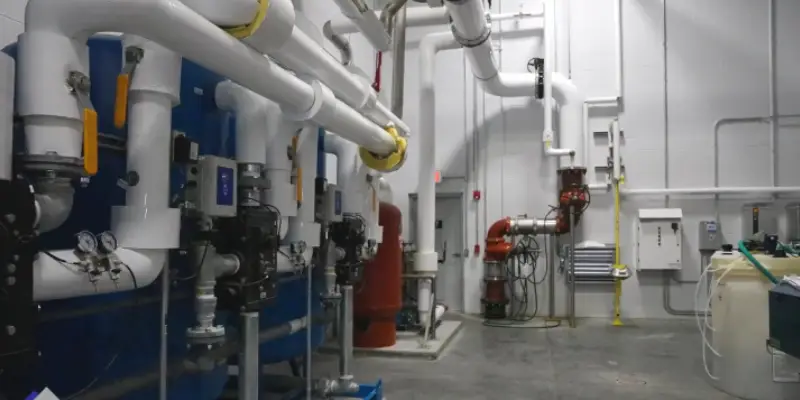
Food processing facilities must manage pest risks carefully to protect ingredients, production areas, packaging, stored products, and facility operations. Insects or rodents can enter through receiving areas, loading doors, utility openings, waste collection points, and other locations where access or sanitation conditions need attention. Unlike a typical office or retail building, a food processing facility may contain production lines, ingredient storage, packaging areas, equipment rooms, cold storage, and waste handling zones. Each area has different requirements for hygiene, access, and pest management. For food businesses in Owasso, Oklahoma, an effective pest management approach begins with understanding the facility, identifying pest activity, investigating potential entry points, and selecting appropriate corrective measures. Owasso Pesties provides compliant, audit-ready commercial pest control for food processing facilities across Owasso and Rogers/Tulsa counties. Contact our commercial team to establish a tailored IPM plan for your facility.
Why Pest Management Matters in Food Processing
Food processing environments can provide pests with access to ingredients, water, waste, shelter, and equipment spaces. Even when cleaning procedures are established, pests may enter through deliveries, structural openings, or nearby outdoor areas. A pest incident can require investigation, cleaning, maintenance, and review of the processes that allowed the problem to develop. Appropriate pest management helps facilities work toward:
- Protecting ingredients and stored materials from pest contamination.
- Identifying and addressing possible entry points.
- Investigating recurring insect or rodent activity.
- Supporting sanitation and facility maintenance programs.
- Maintaining clear records of pest reports and corrective actions.
- Reducing the likelihood of recurring pest problems.
Pest control should complement the facility's existing food safety and sanitation procedures, not replace them.
Common Pest Concerns in Food Processing Facilities
Rodents in Receiving and Storage Areas
Mice and rats may enter through loading doors, gaps around utility penetrations, and other openings. They may also seek shelter near stored materials, waste areas, or less frequently accessed spaces. Potential indicators include droppings, gnaw marks, damaged packaging, and nesting materials. An appropriate response should investigate the evidence, assess likely access points, and consider how control measures can be implemented without compromising food safety. For related specialized services, see our dedicated Commercial Rodent Control service.
Cockroaches in Equipment and Utility Spaces
Cockroaches may hide in protected areas around equipment, cabinets, utility spaces, drains, and locations where moisture or food residues accumulate. Repeated sightings warrant an investigation of the affected area and any conditions that may support the infestation. Treatment planning must account for the sensitivity of food production and storage environments.
Flies Around Waste and Receiving Areas
Flies may enter through open doors or be attracted to waste, organic residues, moisture, and other suitable conditions. The correct response depends on the fly species and the source of the activity. Waste handling, drainage, door management, and sanitation may all require review.
Ants Around Ingredients and Packaging
Ants may enter through small structural gaps while searching for food or water. Accessible ingredients, spills, and packaging residues can contribute to recurring activity. Facilities should investigate the entry route and any conditions attracting ants rather than relying only on removing visible insects.
Stored-Product Pests
Certain insects can infest stored ingredients, dry goods, or other susceptible materials. Identifying the pest and the affected products is important because the appropriate response may involve inspection, segregation, disposal, cleaning, or other corrective measures. Do not assume that every insect found in a food facility is associated with stored products. Proper identification should guide the response.
Need Professional Food Processing Pest Control in Owasso?
Speak directly with our local Owasso exterminator team. We'll identify the problem, discuss treatment options, and provide upfront pricing.
Our Proposed Food Processing Pest Management Process
1. Understand the Facility
Review the facility's layout, production activities, storage areas, receiving procedures, and reported pest concerns. The assessment should account for sensitive production zones and any restrictions on access or treatment.
2. Inspect Relevant Areas
Inspect locations appropriate to the reported problem. Depending on the facility, this may include loading bays, ingredient storage, production areas, packaging spaces, utility rooms, waste handling areas, and the building perimeter.
3. Identify Pest Activity and Contributing Conditions
Determine which pest is present, where activity has been observed, and what conditions may be contributing to the problem. Where necessary, qualified personnel should distinguish between isolated insect sightings, a developing infestation, and evidence of activity affecting stored materials.
4. Develop a Suitable Control Plan
Control measures should reflect the pest species, the facility's activities, applicable regulations, and food safety requirements. Any pesticide or other treatment must be suitable for the intended location and used according to the applicable label and legal requirements. Areas may require preparation, protection of food and equipment, or temporary access restrictions.
5. Coordinate With Facility Personnel
Production managers, sanitation teams, maintenance staff, and other responsible personnel should understand the required actions. Coordination can help ensure that inspections and treatment are carried out with appropriate attention to production schedules, hygiene procedures, and equipment requirements.
6. Document Findings and Follow Up
Record the pest identified, inspection findings, corrective actions, and any remaining concerns. Follow-up monitoring or additional treatment may be appropriate depending on the situation and agreed scope. Professional service note: All treatments are performed by ODAFF-licensed specialists using EPA-approved methods tailored to your property.
Preventing Pest Problems in Food Production Environments
Pest prevention should be integrated with facility maintenance, sanitation, storage management, and established food safety procedures. Facilities can consider these measures:
- Store ingredients and susceptible materials appropriately.
- Clean spills and food residues according to established procedures.
- Maintain suitable waste handling and removal practices.
- Repair gaps around doors, foundations, pipes, and other utility penetrations.
- Inspect receiving areas and deliveries as appropriate.
- Address standing water, plumbing leaks, and drainage problems.
- Keep storage areas organized and accessible for inspection.
- Maintain door seals and other suitable physical barriers.
- Train employees to report pest activity promptly.
- Document findings, corrective actions, and recurring patterns.
- Follow applicable food safety and pest management requirements.
Prevention measures should be adapted to the products handled, facility design, and operating procedures. No single checklist can guarantee a pest-free production environment.
How Much Does Food Processing Pest Control Cost in Owasso?
The cost of pest control for a food processing facility depends on the facility's size, the pest involved, the extent of activity, and the complexity of the required work. Factors that may affect pricing include facility size and layout; number of production and storage areas requiring inspection; type and extent of pest activity; access restrictions and production schedules; required treatment methods; sanitation or maintenance work needed to address contributing conditions; monitoring and follow-up requirements; and documentation and reporting included in the service agreement. A facility with isolated fly activity near a receiving door may require a different response from a production site investigating recurring rodent or stored-product pest activity. Before approving a quote, clarify which areas are covered, how production and food protection will be handled, what preparation is required, and whether follow-up visits or monitoring are included. Food processing pest control pricing is customized based on square footage, FDA/USDA audit requirements, and monitoring station density. Contact us for an on-site audit and quote.
Frequently Asked Questions
Why is pest control important in food processing facilities?
Pest activity can affect ingredients, packaging, production environments, and sanitation. Inspection and appropriate corrective measures can help facilities identify risks and address contributing conditions.
Which pests may affect food processing facilities?
Potential concerns include rodents, cockroaches, ants, flies, and certain stored-product insects. The specific risks depend on the facility, products, storage practices, and surrounding conditions.
Can pest control be performed around food production equipment?
The appropriate approach depends on the pest, equipment, treatment method, and applicable safety requirements. Food, contact surfaces, and equipment must be handled according to relevant product instructions and facility procedures.
Does pest control replace a food safety program?
No. Pest management should complement the facility's established food safety, sanitation, maintenance, and monitoring procedures.
How can food processors reduce recurring pest activity?
Maintain suitable sanitation and storage practices, address structural openings, manage waste, investigate recurring signs, and document corrective actions.
How much does food processing pest control cost in Owasso?
Pricing depends on facility size, pest type, treatment requirements, access, and follow-up. A facility-specific quote is needed to determine the cost.
Does Owasso Pesties provide food processing pest control?
Yes, our commercial IPM technicians deliver audit-ready pest management tailored to FDA and USDA sanitation standards for food processing facilities across the Tulsa-Owasso metro.
Is phone support available 24/7?
Phone availability has been indicated as 24/7. Technician availability, emergency appointments, and after-hours treatment options are scheduled to suit food safety protocols and minimize downtime.
Discuss Food Processing Pest Control in Owasso
Pest management in food processing facilities requires attention to production activities, sanitation, ingredient protection, and the conditions that allow pests to enter or persist. If you operate a food processing or manufacturing facility in Owasso, Oklahoma, contact Owasso Pesties to discuss your concerns, confirm service availability, and request pricing information. Contact Owasso Pesties to discuss food processing pest control in Owasso, OK.
Explore related services
These links connect related pest concerns without replacing a property-specific assessment.
Restaurant Pest Control
Related pest-control information and considerations.
Explore service →Warehouse Pest Control
Related pest-control information and considerations.
Explore service →